
Lake Hartwell, stretching across the border of Georgia and South Carolina, is best known as a warm-weather destination filled with anglers, families, and recreational boaters. Yet when winter arrives and the crowds thin, the lake reveals a quieter, more reflective side. Boating on Lake Hartwell in the winter offers a unique blend of peaceful scenery, productive fishing opportunities, and a slower pace that appeals to those who appreciate the lake beyond its summer energy.
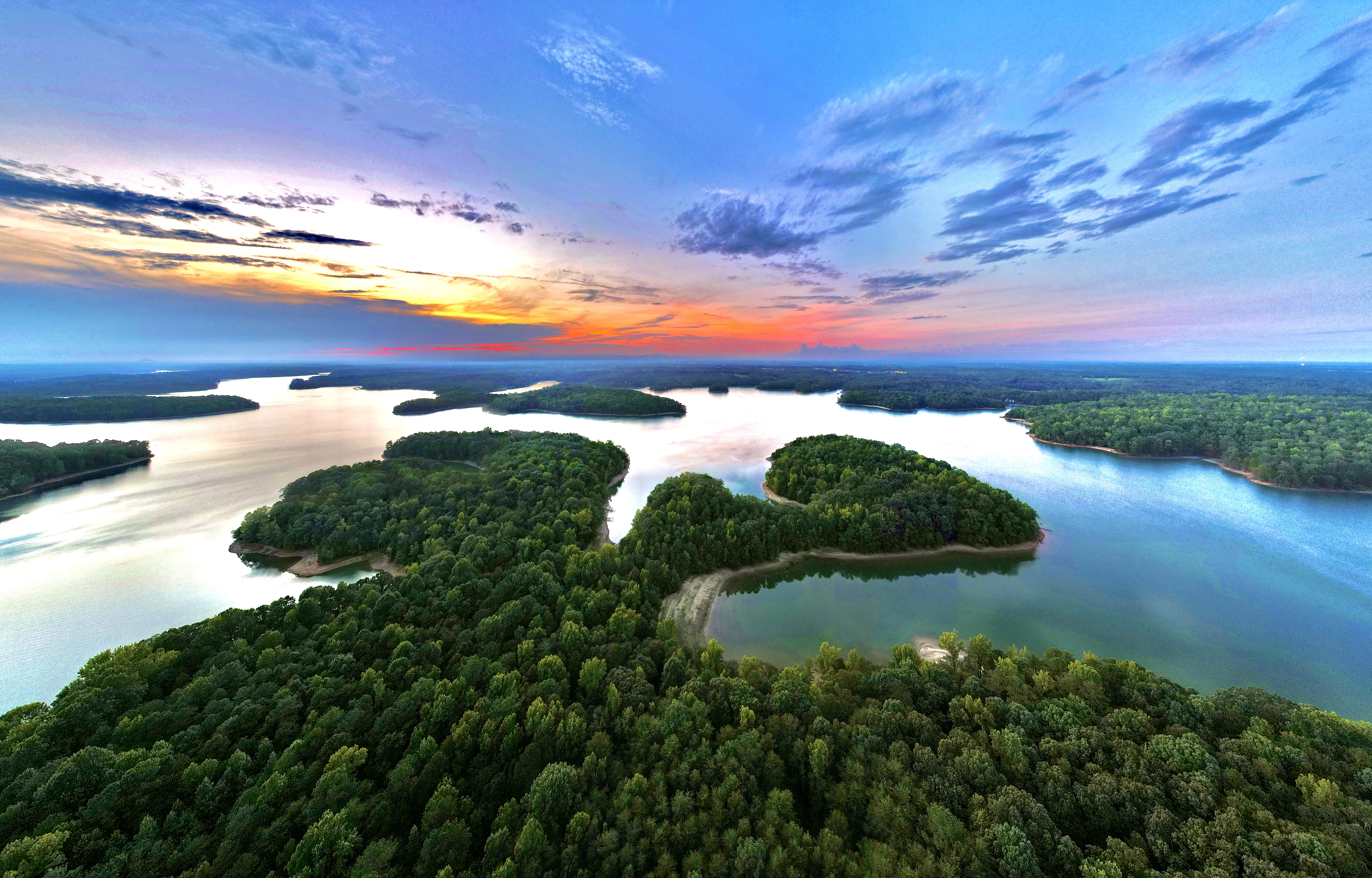
One of the most noticeable changes in winter is the calm. Boat traffic drops significantly, leaving wide expanses of open water and uncrowded boat ramps. This makes navigation easier and more relaxed, even on weekends. The lake’s 56,000 acres feel larger and more open, allowing boaters to explore coves, creek arms, and main channels without interruption. The stillness of winter mornings, often accompanied by light fog rising off the water, creates a sense of solitude that is hard to find during peak season.
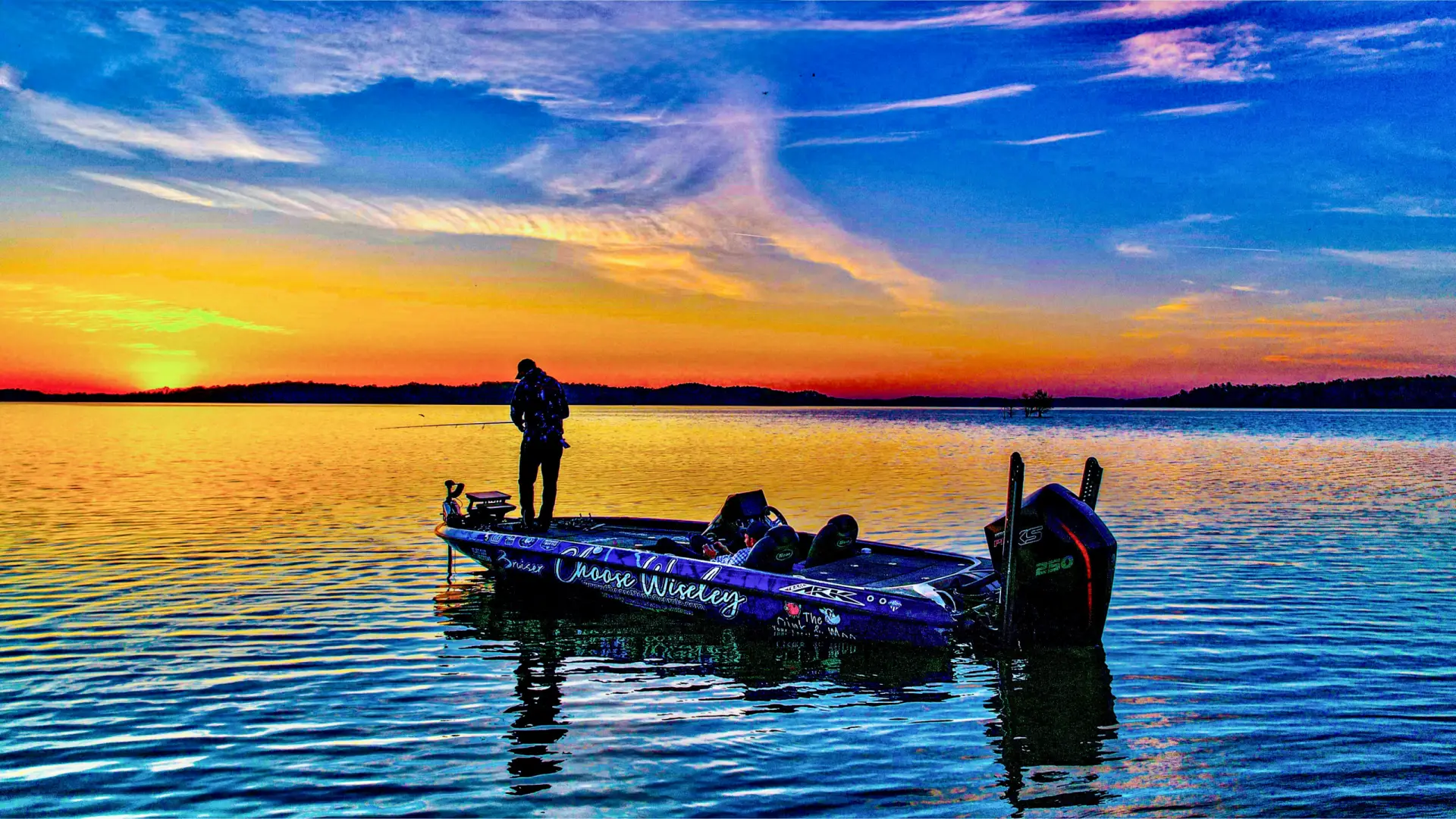
Winter also brings a distinct beauty to Lake Hartwell. Bare hardwood trees line the shoreline, revealing land contours and rocky points normally hidden by summer foliage. Sunlight reflects off the water at a lower angle, producing soft colors and long shadows. Wildlife is easier to spot, with bald eagles, herons, and migrating waterfowl frequently seen along the lake. These natural moments make winter boating especially appealing to photographers and nature enthusiasts.
For anglers, winter boating on Lake Hartwell can be particularly rewarding. Striped bass, hybrid bass, and largemouth bass remain active, often schooling in deeper water or near submerged structure. With fewer boats on the lake, anglers can take their time using electronics to locate fish and work areas thoroughly. Crappie fishing also improves during the colder months, drawing many dedicated winter fishermen onto the water.
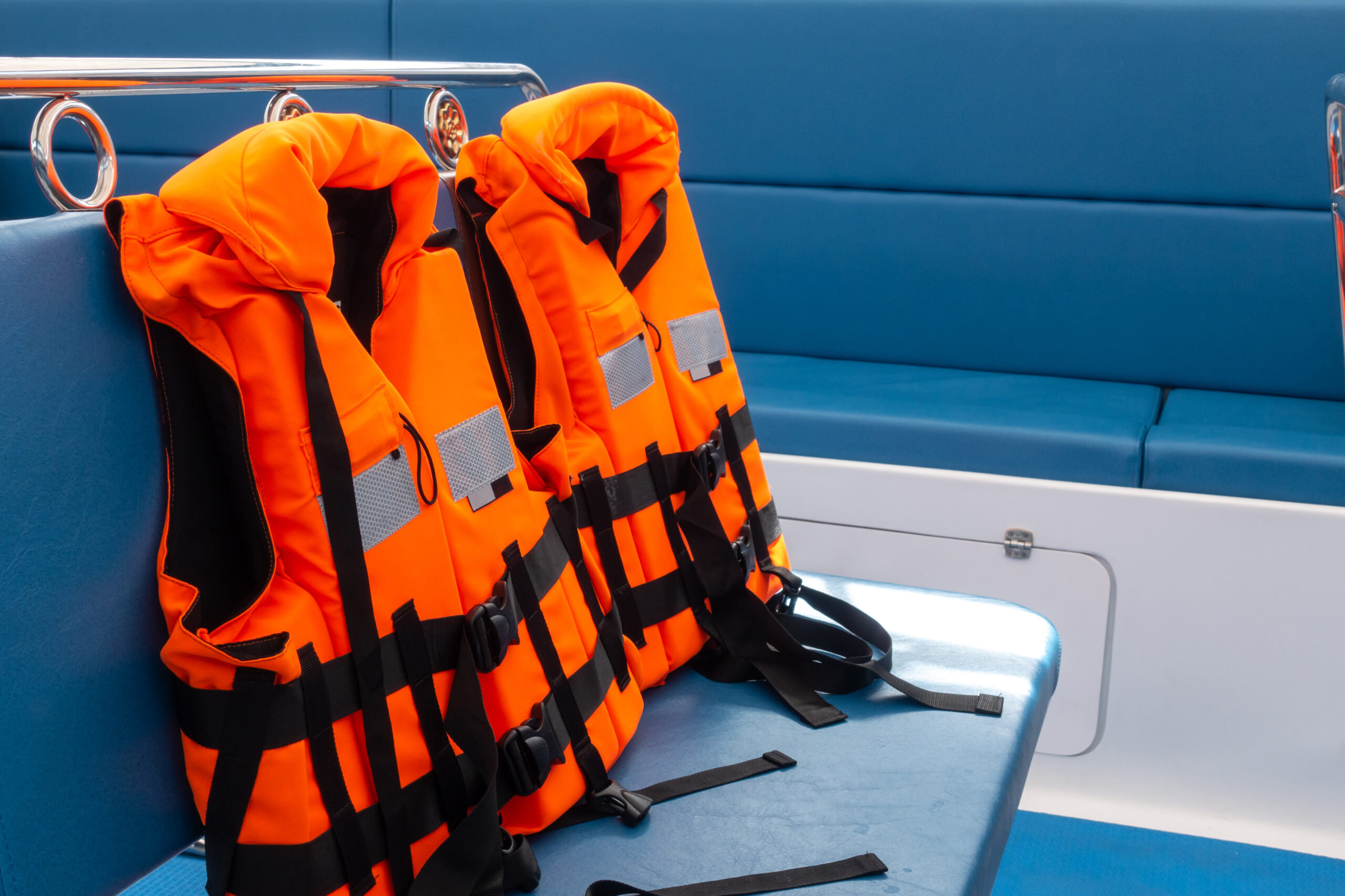
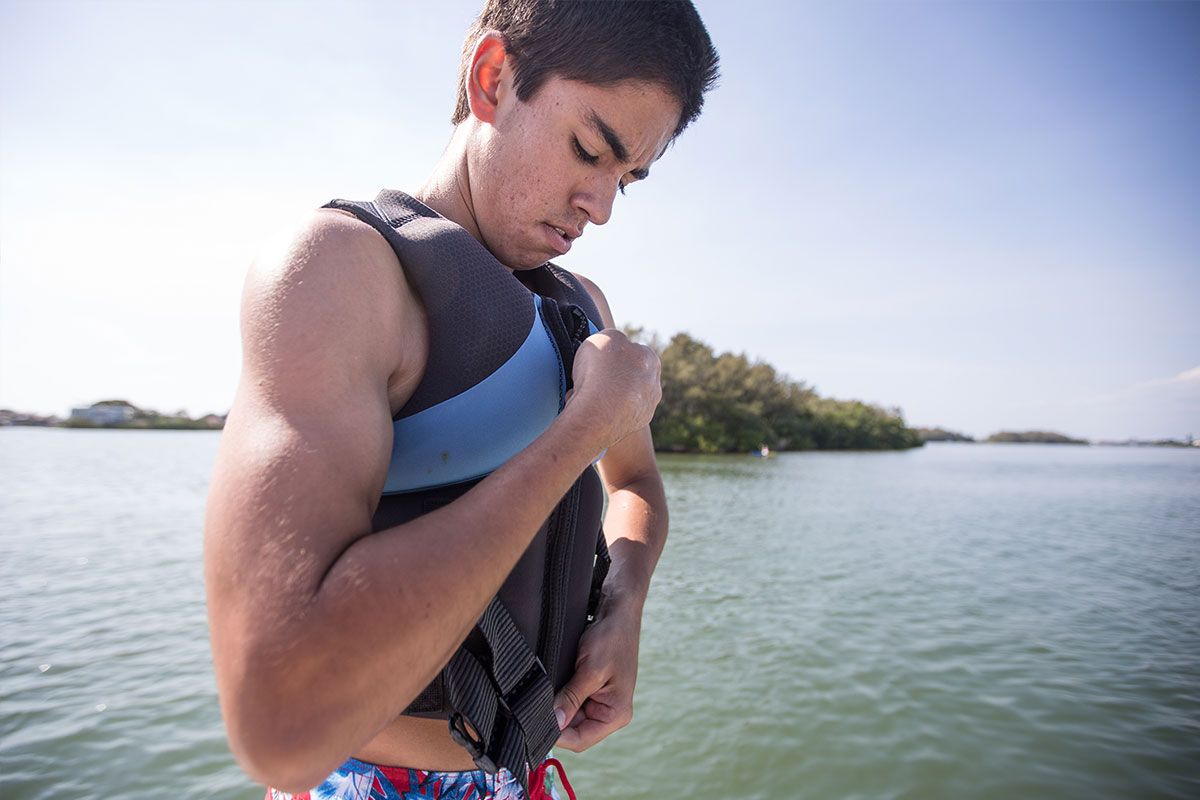
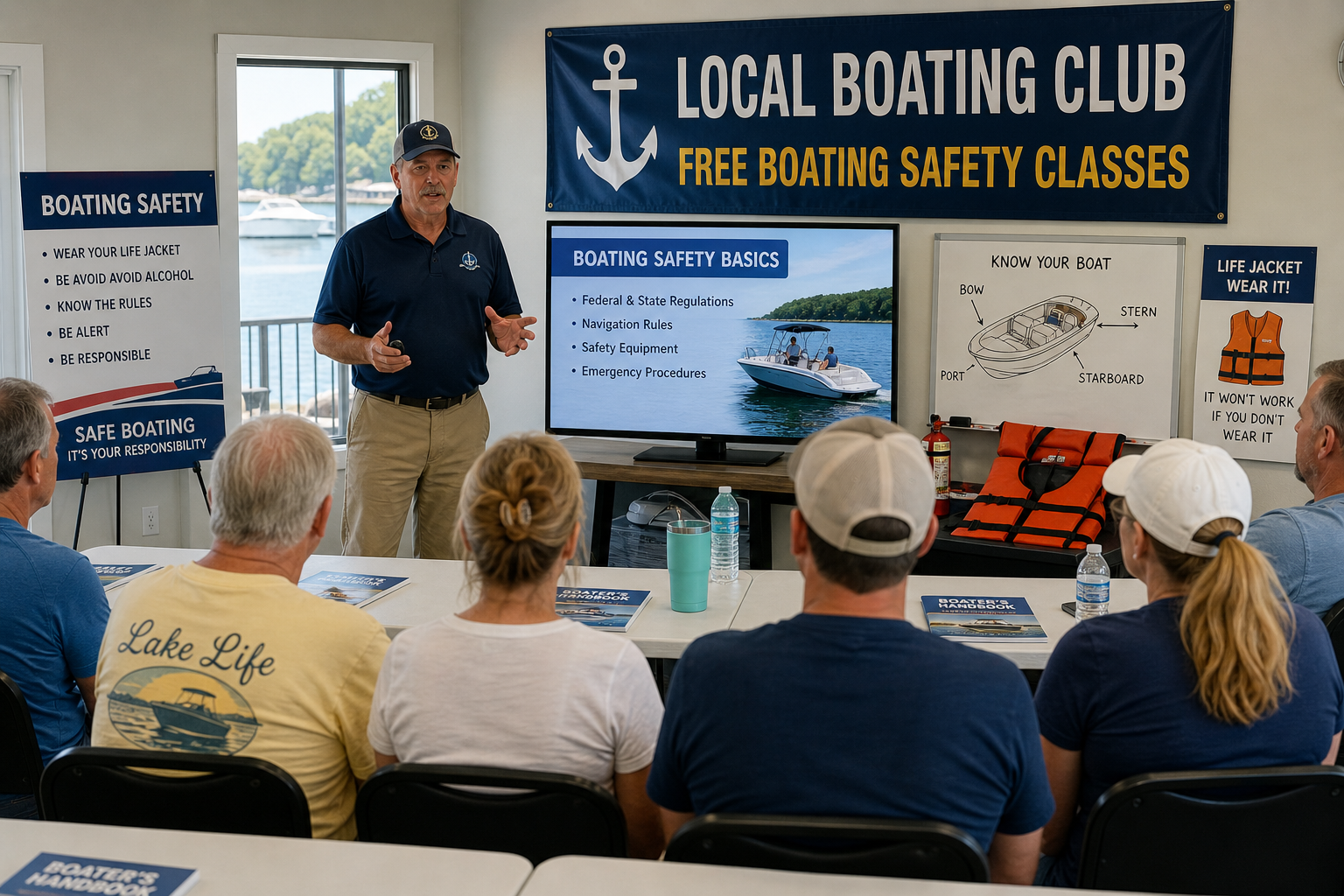
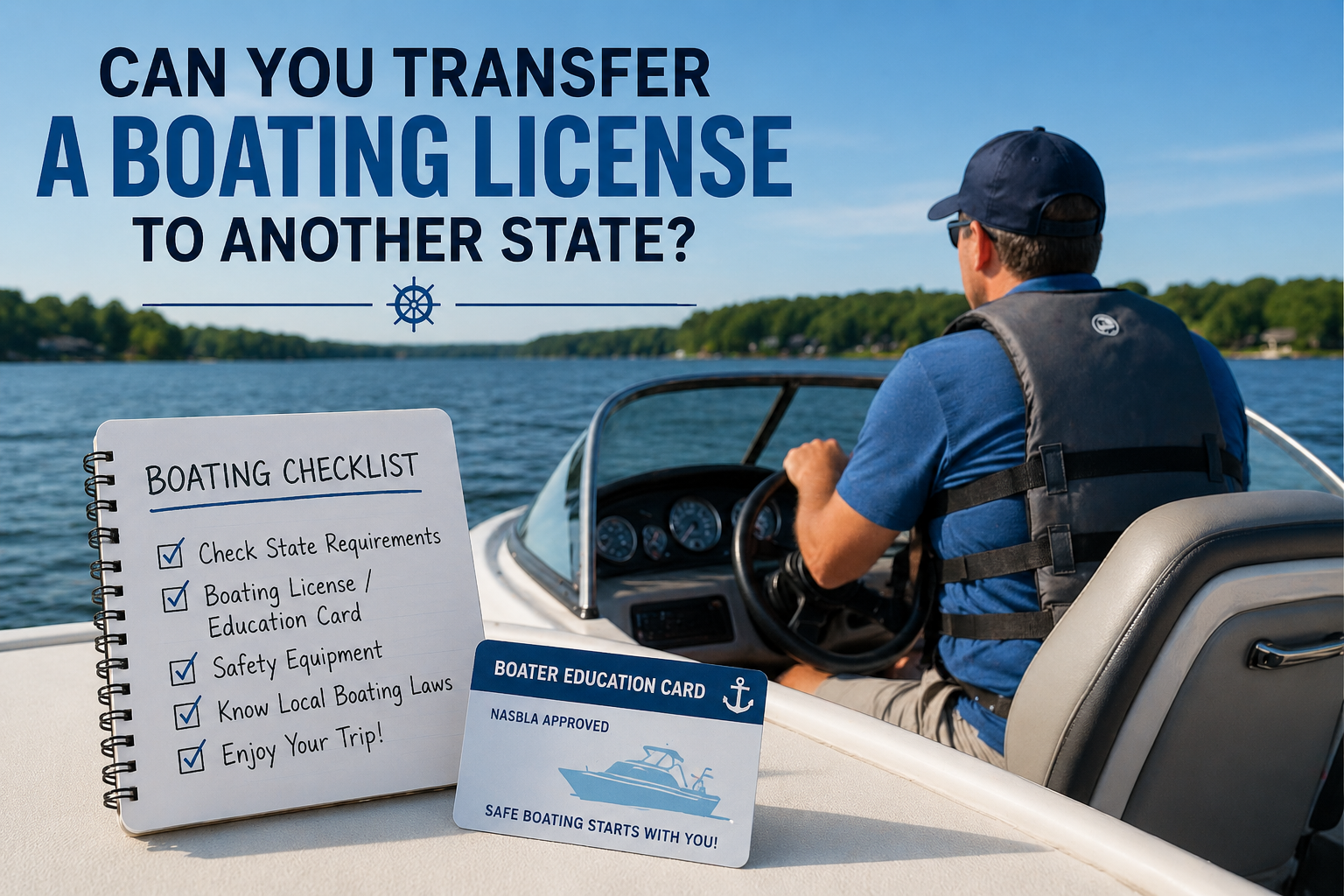
Despite its advantages, winter boating on Lake Hartwell requires preparation. Water temperatures can be dangerously cold, and sudden weather changes are always possible. Wearing life jackets at all times is strongly advised, and dressing in layers helps maintain body heat throughout the day. Checking weather forecasts, carrying emergency gear, and letting someone know your boating plans are smart precautions during the winter season.
Boat maintenance is another key consideration. Cold temperatures can affect batteries, fuel systems, and electronics. Taking time to ensure your boat is winter-ready helps prevent mechanical issues far from the ramp. Shorter daylight hours also mean planning trips carefully to allow plenty of time to return safely before sunset.
Boating on Lake Hartwell in the winter is not about speed or spectacle—it is about appreciation. It offers a chance to experience the lake in its most natural, unhurried state. For those willing to prepare and embrace the season, winter reveals a peaceful side of Lake Hartwell that many never get to see.