
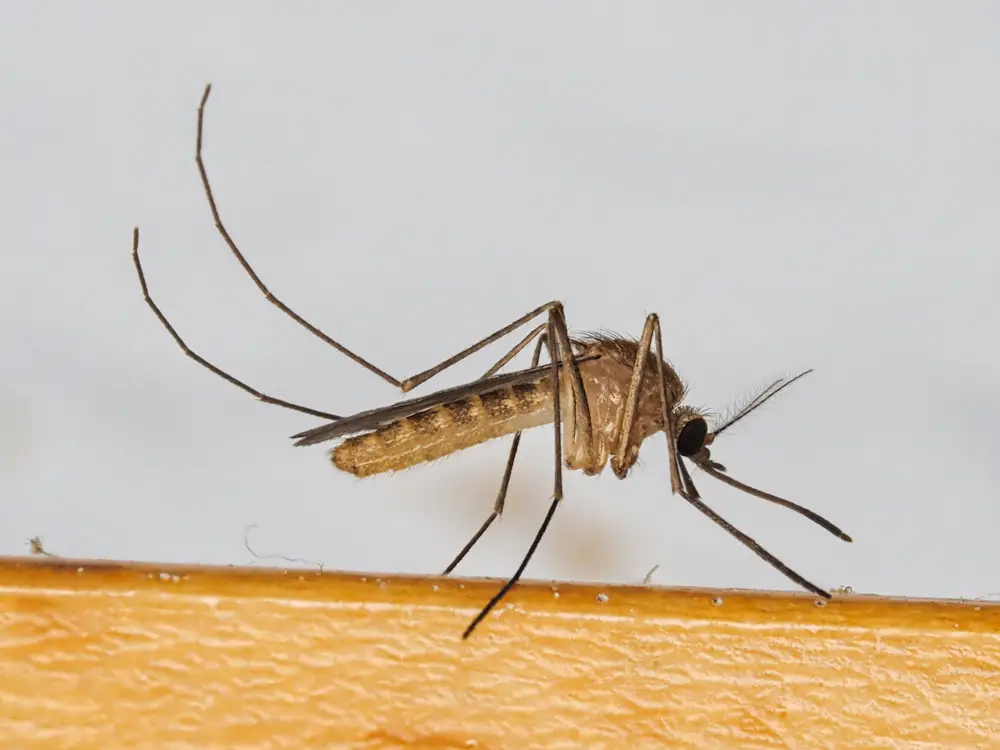
Fall may be arriving, but mosquito season is not quite over in Georgia. Health officials are reminding residents to continue protecting themselves from mosquito bites after an increase in human cases of West Nile virus across the state.
On September 16, the Georgia Department of Public Health announced that eight Georgians had been diagnosed with West Nile virus in 2026 and one person had died. At the time, DPH warned that additional cases were expected. That prediction proved correct. According to preliminary data from the Center of Disease Control and Prevention (DCD) as of October 6. Georgia had reported 17 human West Nile virus disease cases this year. Mosquito traps have also tested positive for the virus in several Georgia counties, including Chatham, Fulton and DeKalb.
For those of us who enjoy spending time outdoors around Lake Hartwell, the news is a good reminder that cooler evenings do not necessarily mean mosquitoes have disappeared. Georgia’s mosquito season generally continues through October and sometimes beyond.
West Nile virus is transmitted primarily through the bite of an infected mosquito. Mosquitoes become infected after feeding on birds carrying the virus and can then transmit it to people and other animals. It is not something you catch simply by swimming in or being around lake water. The concern is mosquito exposure, particularly in areas where stagnant water gives mosquitoes places to breed.
The reassuring news is that most people infected with West Nile never become sick. The CDC estimates that about 80 percent develop no symptoms at all. About one in five infected people may develop symptoms such as fever, headache, body aches, joint pain, vomiting, diarrhea or a rash. Symptoms usually begin two to six days after the bite, although they can take as long as 14 days to appear.
A much smaller percentage less than one percent develop serious illnesses involving the central nervous system, such as encephalitis or meningitis. Older adults and people with certain medical conditions, including cancer, diabetes, high blood pressure, kidney disease or weakened immune systems, face a greater risk of serious complications. Anyone experiencing a high fever, neck stiffness, confusion, tremors or muscle weakness should seek medical attention promptly.
There is currently no licensed human vaccine or specific medication to prevent or cure West Nile virus, which makes prevention especially important. The Georgia Department of Public Health recommends EPA-registered repellents containing DEET, picaridin, IR3535 or oil of lemon eucalyptus. Long, loose-fitting clothing can provide additional protection when spending time outside.
Homeowners can also make a difference right in their own yards. At least once a week—and after rainfall—empty standing water from flowerpots, buckets, children’s toys, birdbaths, pool covers and other containers. Keep gutters clear and make sure window and door screens are in good condition. Even a small amount of stagnant water can provide mosquitoes with a place to reproduce.
Lake Hartwell’s beautiful fall weather gives us plenty of reasons to stay outdoors. There is no need to stop enjoying the porch, dock, yard or lake, but a little mosquito awareness can go a long way. As we head toward the end of mosquito season, remembering the insect repellent and checking the yard for standing water are simple steps that can help protect you, your family and your neighbors.